Partial Demolition vs. Full Demolition in Melbourne: Which Is Right for Your Project?
Posted on: 2026-05-29
By: Madeline Harper
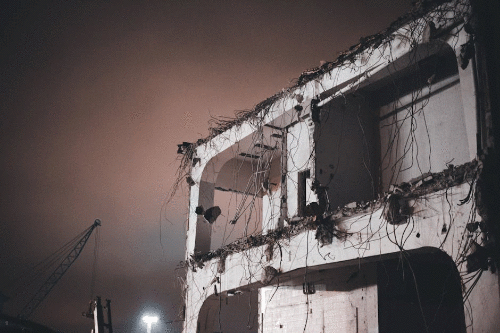
Not every tired building needs to disappear. A partial demolition Melbourne project removes selected structures, plant rooms, walls, roofs, slabs, or internal areas while keeping the useful parts of a site. Full demolition clears the structure completely. The right choice depends on asset condition, future use, safety, contamination, heritage, cost, and programme risk.
Start With The Future Use Of The Site
The first question is not what can be removed. It is what the site needs to become. A retail conversion, warehouse upgrade, processing facility, office refurbishment, hospitality fit-out, or industrial redevelopment will each point to a different demolition scope.
Elmore readers who follow mining and resource projects will recognise the logic. Brownfield assets often contain useful infrastructure besides outdated or unsafe elements. Keeping the useful parts can reduce waste, shorten approvals, and preserve services, but only if the retained structure is sound.
Partial demolition is strongest when the retained elements have clear value. Full demolition is stronger when unknown defects, contamination, awkward layouts, or structural compromise make retention more expensive than starting again.
When Partial Demolition Makes Sense
Partial demolition suits projects where the owner wants to keep a facade, slab, frame, tenancy shell, service corridor, roof section, loading dock, or heritage feature. It can also support staged redevelopment where part of a site must keep operating.
This approach needs more careful planning than a simple knockdown. Contractors must protect retained structures from vibration, water entry, dust, fire risk, and accidental machine impact. Temporary propping, engineering advice, and detailed exclusion zones may be required.
Partial work can reduce waste, but it can also uncover hidden problems. Once ceilings, cladding, or plant are removed, teams may find corrosion, termite damage, asbestos, undersized members, water damage, or undocumented service changes.
● Use partial demolition when retained structures are sound and useful.
● Use it when staged works must protect operating tenants or equipment.
● Use it when heritage, facade, or planning controls make retention valuable.
● Avoid it when hidden defects are likely to exceed the value of retention.
When Full Demolition Is The Cleaner Option
Full demolition suits projects where the existing structure blocks the future design, contains widespread hazards, or has little remaining economic value. It can simplify engineering, remove unknowns, and give the builder a clean starting point.
A full clearance can also improve sequencing. Earthworks, remediation, drainage, piling, and new slab construction are easier when retained walls or partial structures do not restrict access. This matters on industrial and commercial sites with heavy machinery, truck movements, and tight programmes.
The trade-off is waste volume. Full demolition creates more material to sort, load, transport, and document. The cost should be compared against the design, risk, and programme benefits of clearing the site completely.
Compare Risk, Not Just Price
A partial demolition quote may look cheaper because less material is removed. That does not mean the total project cost is lower. Engineering, temporary works, slower manual labour, service protection, vibration control, and precision cutting can add cost.
A full demolition quote may look more expensive because the removal volume is larger. It may still be the better option if it avoids months of design compromise or repeated discoveries inside an old structure.
The best comparison uses whole-project risk. Ask how each option affects design freedom, approvals, safety, contamination, waste, neighbour impact, access, insurance, and construction certainty.
Check Contamination And Hazardous Materials Early
Both partial and full demolition require early hazard checks. Asbestos, lead paint, contaminated soil, fuel residues, chemicals, oils, old tanks, and process residues can all influence the scope.
Industrial and resource-linked properties deserve special care because past operations may have left hidden materials in pits, bunds, drains, tanks, sumps, or plant rooms. A partial demolition plan may need to keep these areas isolated until sampling is complete.
WorkSafe Victoria's current demolition guidance reinforces the need for risk identification and competent controls before demolition work starts. Hazard planning should sit beside the cost comparison, not after it.
Use A Decision Matrix Before Committing
A simple decision matrix can make the choice clearer. Rate each option against structure condition, retained value, contamination risk, programme impact, waste volume, access, future design fit, and neighbour disruption.
Give extra weight to items that can stop the project. For example, unknown asbestos risk, live services, structural instability, and restricted access deserve more attention than cosmetic reuse potential.
The matrix does not replace professional advice. It gives owners, builders, engineers, and demolition contractors a shared language before the scope is locked.
Think About Staged Operation And Asset Downtime
Partial demolition can keep part of a site operating while another area is upgraded. This is valuable for warehouses, workshops, depots, food premises, and industrial facilities that cannot shut down completely.
Staging also brings risk. Workers may need to separate live operations from demolition dust, vibration, truck movements, and temporary service changes. The remaining business may need temporary amenities, alternate loading, temporary walls, and clear emergency access.
Full demolition avoids many interface problems because the site is closed and cleared. The cost is downtime. Owners should compare the value of continued trading against the cost of slower precision work and extra protection.
Consider Carbon, Reuse, And Disposal Records
Partial demolition can support lower waste outcomes when materials and structures are genuinely retained. Full demolition can still support circular economy goals when concrete, steel, timber, and fixtures are separated carefully.
The best records show what happened to each major material stream. Keep salvage notes, recycling dockets, disposal receipts, photos, and contamination reports. These records can support owner reporting, future audits, and sustainability claims.
Do not treat reuse as automatic. Reused material must be safe, suitable, and allowed for its next purpose. A retained beam, door, or slab still needs to meet the design and compliance requirements of the new project.
Questions To Ask Before Signing The Demolition Scope
Ask what is being retained and how it will be protected. The answer should mention temporary works, exclusion zones, vibration control, water protection, fire risk, and inspection points for retained structures.
Ask what happens if hidden hazards are found. The scope should explain how asbestos, contaminated soil, unknown tanks, undocumented services, or structural defects will be reported, priced, and controlled.
Ask who confirms the retained structure is suitable for the next stage. A demolition contractor can remove material carefully, but an engineer or designer may need to confirm whether retained elements can carry future loads.
Ask what evidence will be supplied at handover. Photos, waste records, service caps, hazard notes, and retained-structure details make it easier for the builder to start the next phase without rechecking every assumption.
Conclusion
Partial demolition can preserve value and reduce waste when the retained structure is sound, useful, and safe to protect. Full demolition gives a cleaner reset when the existing asset carries too much design, safety, or contamination risk.
For Elmore readers, the practical lesson is the same as any serious asset decision: compare long-term project value, not the cheapest removal line. The right demolition scope should make the next stage clearer, safer, and easier to build.
Quick Pre-Start Checklist
Before the first contractor arrives, the project owner should turn the article's advice into a short site checklist. The checklist does not need to be complex, but it should name the person responsible for each decision so nothing sits between trades.
Review the checklist during the site induction and again when the work changes stage. Demolition, clearing, machinery movement, waste handling, and pest control all create new risks as conditions change.
Keep one named site contact responsible for updates, because small discoveries can quickly affect access, timing, neighbours, waste handling, equipment choice, and final handover. Record every change before the next crew starts work.
● Confirm the exact work scope, exclusions, and required handover condition.
● Check permits, service isolation, access limits, neighbour impacts, and public protection.
● Mark retained structures, trees, services, drains, fences, and no-go zones before work starts.
● Separate waste streams early and keep disposal, recycling, and treatment records together.
● Photograph key conditions before, during, and after work so decisions are traceable.
Frequently Asked Questions
Is partial demolition cheaper than full demolition?
Partial demolition can cost less when retained structures are simple to protect. It can cost more when temporary works, manual labour, service protection, or hidden defects add complexity.
What is removed during partial demolition?
Partial demolition may remove selected walls, roofs, slabs, rooms, plant, services, facades, or internal areas while retaining useful parts of the building.
When is full demolition better?
Full demolition is often better when the existing structure has widespread defects, contamination, awkward layouts, poor future value, or safety risks that make retention impractical.
Works Cited
Environment Protection Authority Victoria. "Escaped Waste Can Cost Builders." EPA Victoria, 21 Apr. 2026, https://www.epa.vic.gov.au/about-epa/news-media-and-updates/news-and-updates/escaped-waste-can-cost-builders.
WorkSafe Victoria. "Demolition." WorkSafe Victoria, reviewed 2026, https://www.worksafe.vic.gov.au/demolition.
WorkSafe Victoria. "Construction." WorkSafe Victoria, reviewed 28 Sept. 2025, https://www.worksafe.vic.gov.au/construction.
Department of Energy, Environment and Climate Action Victoria. "Guidelines for the Removal, Destruction or Lopping of Native Vegetation." Victorian Government, 2026, https://www.environment.vic.gov.au/native-vegetation.
Sustainability Victoria. "Circular Economy Opportunities for Victoria." Sustainability Victoria, 2025, https://www.sustainability.vic.gov.au/
 Not every tired building needs to disappear. A partial demolition Melbourne project removes selected
 As we gear up for the investment opportunities of 2025, understanding the dynamics of the Australian
 In an era where technology meets tradition, the gold mining industry is at the forefront of innovati

